cricketarena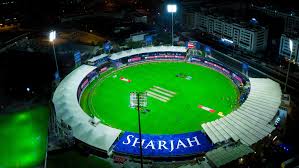
Cricket is more than just a sport—it’s an experience. And no experience is complete without the iconic stadiums that serve as the stage for unforgettable moments. From the roar of passionate fans to the history etched in every boundary rope, cricket stadiums across the globe are arenas where legends are made. Whether you’re a die-hard fan or a casual follower, visiting these cricketing temples is a dream come true.
In this blog, we’ll take you on a journey through the greatest stadiums in cricket, celebrating their history, atmosphere, and impact on the game.
Why Cricket Stadiums Matter
A cricket stadium isn’t just a venue—it’s a heartbeat of the sport. Fans remember not just the scores and victories but the stadiums where history unfolded. For instance:
- Eden Gardens was the backdrop of India’s famous comeback against Australia in 2001.
- The MCG hosted the 2015 World Cup final, where Australia lifted the trophy on home soil.
- Lord’s has seen some of cricket’s greatest Ashes battles and World Cup finals.
Each stadium carries its own legacy, becoming a character in the story of cricket.
1. Lord’s Cricket Ground – The Home of Cricket (London, England)
No list of iconic cricket arenas is complete without Lord’s, often called the Mecca of Cricket. Established in 1814, it’s steeped in history and tradition. From hosting Ashes Test matches to being the venue of dramatic World Cup finals, Lord’s is the ultimate cricket pilgrimage.
- Capacity: 30,000
- Highlights: The historic Long Room, the Honours Boards, and the famous Lord’s Pavilion.
- Iconic Moment: The 2019 ICC World Cup final between England and New Zealand, one of the greatest matches in cricket history.
2. Melbourne Cricket Ground (MCG) – Australia’s Pride
Known as the MCG, this stadium is more than just a sporting venue—it’s a cultural landmark in Australia. With its massive seating capacity, the MCG creates an atmosphere unmatched in world cricket.
- Capacity: 100,000 (approx.)
- Highlights: Hosts the Boxing Day Test match, a tradition loved by cricket fans worldwide.
- Iconic Moment: The 2015 World Cup final, where Australia defeated New Zealand in front of a packed home crowd.
3. Eden Gardens – The Colosseum of Indian Cricket (Kolkata, India)
Eden Gardens is one of the oldest and most famous cricket stadiums in the world. Often compared to the Colosseum, it has been the stage for countless historic matches. With its electric crowd, Eden Gardens has a reputation for intimidating visiting teams.
- Capacity: 66,000+
- Highlights: Known for its passionate fans and breathtaking atmosphere.
- Iconic Moment: The 2001 Test match where India, led by Laxman and Dravid, pulled off a miraculous win against Australia.
4. Sydney Cricket Ground (SCG) – Tradition Meets Elegance
The SCG is renowned for its rich history, scenic setting, and emotional connection with players and fans alike. With its unique architecture and sporting heritage, it’s one of Australia’s most loved venues.
- Capacity: 48,000
- Highlights: Hosts the annual New Year’s Test, a cherished cricketing tradition.
- Iconic Moment: Steve Waugh’s last-ball century against England in the 2003 Ashes.
5. Old Trafford – The Fortress of English Cricket (Manchester, England)
Old Trafford has been a central figure in English cricket since 1857. Known for its unpredictable weather and lively pitches, it’s a ground that has tested even the best.
- Capacity: 26,000+
- Highlights: Famous for thrilling Ashes contests and unforgettable Test matches.
- Iconic Moment: Shane Warne’s “Ball of the Century” to Mike Gatting in 1993.
6. Wanderers Stadium – The Bullring (Johannesburg, South Africa)
Nicknamed “The Bullring” due to its intimidating atmosphere, the Wanderers is South Africa’s premier cricket stadium. It has hosted several dramatic matches, especially in limited-overs cricket.
- Capacity: 34,000
- Highlights: Known for its lively pitch and electric atmosphere.
- Iconic Moment: The 2006 ODI between South Africa and Australia, where South Africa chased down 434—the highest successful chase in ODI history.
7. Wankhede Stadium – Mumbai’s Iconic Arena (India)
Wankhede has witnessed some of the most emotional moments in Indian cricket history. Situated in the heart of Mumbai, this stadium carries an unmatched energy.
- Capacity: 33,000+
- Highlights: Known for producing thrilling matches and being the home of IPL’s Mumbai Indians.
- Iconic Moment: India’s 2011 World Cup victory, when MS Dhoni hit the winning six.
8. Adelaide Oval – Beauty Meets Cricket (Adelaide, Australia)
Few stadiums can match the natural beauty of the Adelaide Oval. With its mix of history and modern infrastructure, it’s considered one of the most picturesque cricket grounds in the world.
- Capacity: 53,500
- Highlights: Known for hosting both day and night Tests with great fanfare.
- Iconic Moment: Don Bradman’s farewell innings, where he was bowled for a duck.
9. Gaddafi Stadium – Heart of Pakistan Cricket (Lahore, Pakistan)
As Pakistan’s most iconic stadium, Gaddafi Stadium holds a special place in cricketing history. It has been central to Pakistan’s cricketing journey, hosting both domestic and international classics.
- Capacity: 27,000+
- Highlights: Venue of Pakistan’s cricket revival after years of hosting matches abroad.
- Iconic Moment: The 1996 World Cup final, where Sri Lanka defeated Australia.
10. Dubai International Stadium – The Modern Giant
Among modern venues, the Dubai International Stadium stands out. Known for its “Ring of Fire” floodlights, it offers a world-class viewing experience and has become a hub for international cricket.
- Capacity: 25,000+
- Highlights: Hosts major ICC events and IPL matches.
- Iconic Moment: Pakistan’s dominance in Test cricket during their UAE home period.
Conclusion
From the heritage of Lord’s to the electric vibe of Eden Gardens and the modern marvel of Dubai, cricket stadiums are more than just venues—they are living monuments of the game. Each ground has seen glory, heartbreak, and unforgettable cricketing moments. For fans, stepping into these arenas feels like stepping into history.
So, the next time you watch a match, remember—it’s not just about the players. The stadium itself plays a starring role in the drama of cricket.