cricketarena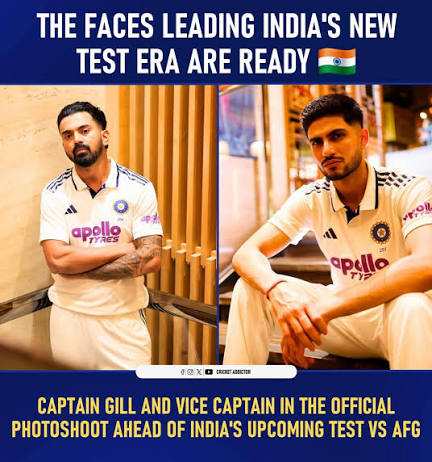
There’s a strange quiet that falls over Indian cricket every time a golden generation walks away. It happened after Sourav Ganguly and Rahul Dravid hung up their boots. It happened again, more gradually, through the 2010s. And now it’s happening once more — Virat Kohli, Rohit Sharma and R Ashwin have all stepped away from the Test format within a short span of each other, and Indian cricket finds itself standing at one of those rare, uneasy junctions where the old map simply stops making sense.
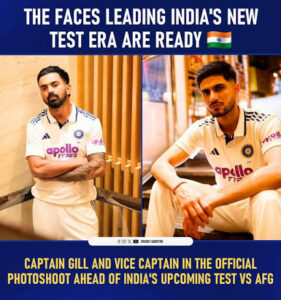
Shubman Gill is now the man holding the compass. The BCCI handed him the Test captaincy ahead of the England tour that kicked off the new World Test Championship cycle, and honestly, it wasn’t a shock pick so much as it was the only pick that made sense on paper. Gill has the runs, he’s captained India in white-ball cricket before, and at 25-26 he has the kind of runway that selectors dream about — a captain who could, in theory, lead the side for a decade rather than a couple of good years before the body starts complaining.
But here’s the thing nobody really talks about enough: captaincy in Indian cricket isn’t just about winning tosses and setting fields. It’s about carrying an entire ecosystem — sponsors, a cricket-mad public that has zero patience for transition periods, a dressing room full of players who grew up idolising Kohli and now have to salute someone from their own generation. That’s a heavier weight than most people give it credit for.
Rishabh Pant as vice-captain is an interesting call too. He brings unpredictability with the bat and a kind of fearlessness that Gill, by contrast, plays with a much cooler head. Together they’re almost a study in opposites — one calculated, one instinctive — and how that balance plays out over the next few years could genuinely shape how India approaches Test cricket tactically. There’s also been chatter about KL Rahul stepping into leadership duties when either of them is unavailable, which tells you the BCCI isn’t putting all its eggs in one basket. Smart, given how fragile fast bowlers’ bodies and batting form both tend to be over a long WTC cycle.
What makes this transition different from previous ones, though, is the sheer depth on offer. Yashasvi Jaiswal has already shown he isn’t just an IPL slogger who got lucky — the man plays proper Test cricket, patient at times, murderous at others. Sai Sudarshan is knocking on the door with genuinely elegant technique. Dhruv Jurel looks like he could be a long-term gloveman. And then there’s the reappearance of Karun Nair, dragged back into the fold after years in the wilderness on the strength of an absurd domestic season — proof that Indian domestic cricket, whatever its flaws, still occasionally throws up a redemption story worth rooting for.
The bowling attack is where things get slightly more nervy. Jasprit Bumrah remains, without argument, the most valuable bowler India has produced in a generation, but workload management around him is going to be one of the defining stories of this era. He can’t play every Test, and India know it — which is exactly why the pace bench needs Akash Deep, Mohammed Siraj and whoever emerges next to actually step up rather than just make up the numbers. Spin, too, needs a serious rethink post-Ashwin. Ravindra Jadeja is still around and still brilliant, but leaning on one senior spinner forever isn’t a plan, it’s a hope.
So who actually leads Indian Test cricket into the next era? On paper it’s Gill, with Pant a heartbeat away. But leadership in this format has always been collective in India — captains get remembered, but they only succeed when four or five players around them decide the team matters more than personal milestones. That’s really the test facing this group over the next couple of years: not just the Test Championship cycle against England, New Zealand and eventually Australia, but whether this young core can build the same hunger that carried Kohli’s team through overseas tours nobody expected them to win.
Nostalgia is a comfortable place to sit, and Indian cricket fans have earned the right to be a little nostalgic after the last decade. But Test cricket doesn’t wait for anyone to finish grieving a retirement. Gill’s team either grows into this challenge on the field, series by series, or the questions about “who leads next” will keep getting asked long after they’ve already been answered. My honest read? The talent is there. Whether the temperament matches it is the story worth watching.